
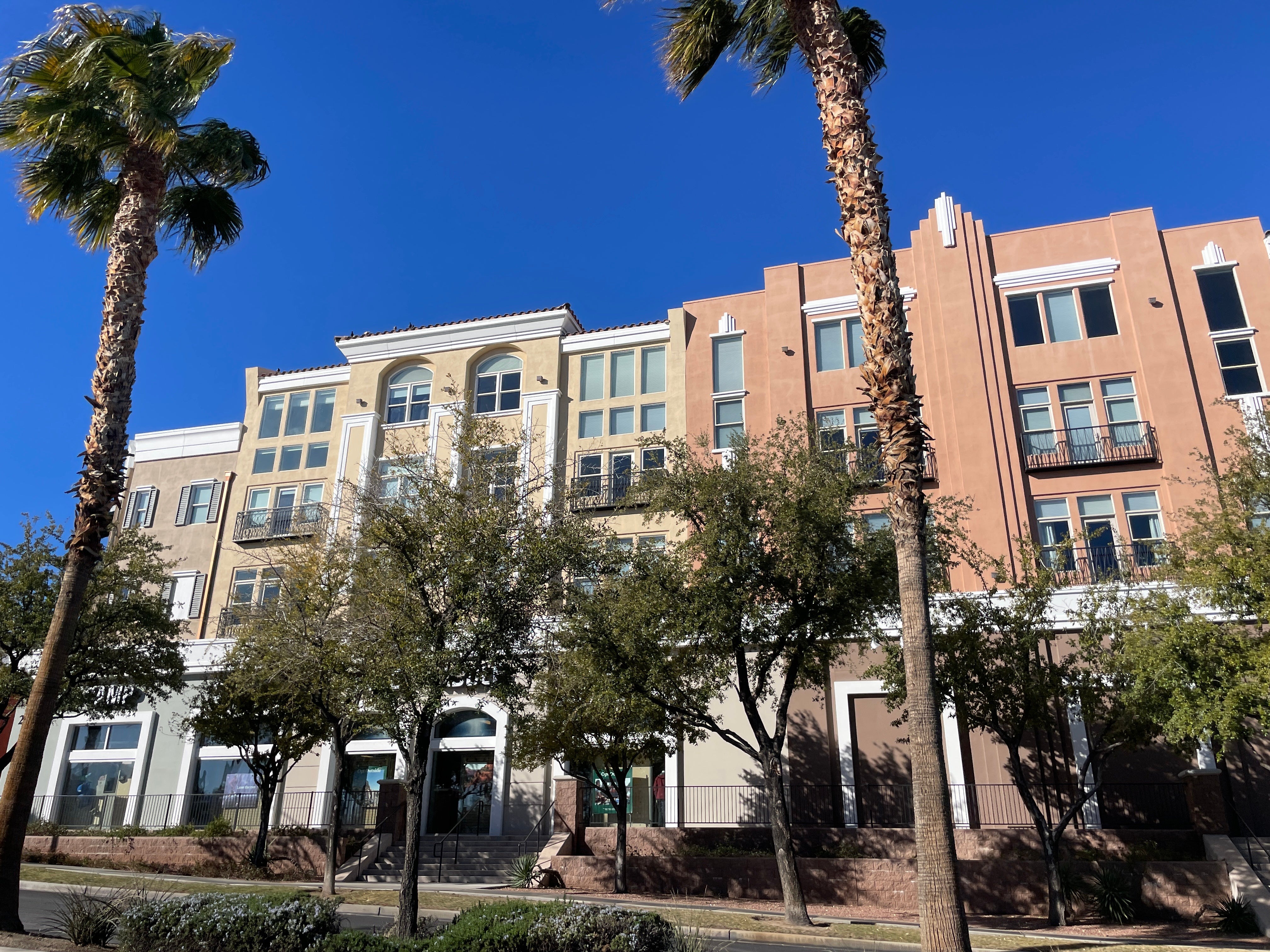
Winchester NV holds a measured position among Las Vegas locations as a secondary-priority district that connects the convention corridor with surrounding communities. Its role supports planning that accounts for the market's wide footprint, spanning the Strip, Paradise, Spring Valley, and satellite areas such as Summerlin and Henderson. Coordination resources for Winchester focus on aligning exhibit strategies with the operational realities of a market sustained by consistent activity at major facilities.
Successful display planning in this district requires attention to how Winchester interacts with primary venues without assuming direct adjacency advantages. The emphasis remains on timeline precision, venue specification compliance, and integration across the recommended network of Las Vegas locations. This approach enables exhibitors to participate effectively in the regional calendar while respecting the distinct characteristics of each district.
From initial concept development through final alignment, Winchester trade show coordination draws on the documented demand drivers of the Las Vegas market to create structured, realistic plans that prioritize nuance over generalization.
Execution priorities
- Strategic alignment with Las Vegas Convention Center event calendars and specifications
- Integration planning for the Venetian Expo exhibition standards and scale
- Coordination for Mandalay Bay Convention Center resort-integrated events
- Protocol development for Caesars Forum Conference Center business gatherings
- Logistical mapping for Fontainebleau Las Vegas activations and requirements
- Resource considerations for Westgate Las Vegas Resort and Casino programs
- Adaptation strategies for supporting venues including Virgin Hotels Las Vegas
Winchester NV Position in the Las Vegas Trade Show Landscape
Winchester operates as one of several recommended secondary locations that extend the reach of Las Vegas trade show activity beyond the highest-density zones. Its inclusion in the market footprint reflects the ability of the region to support planning across a network that includes the Convention Center District, Paradise, Enterprise, and Summerlin. This distributed structure allows coordination efforts to address variations in attendee flow, event density, and logistical demands that differ from core Strip or downtown concentrations.
Planning resources treat Winchester as a district that benefits from proximity to the broader convention corridor without replicating the operational intensity found in primary venues. This differentiation informs how exhibit timelines are constructed, how specifications from multiple facilities are reconciled, and how resource allocation accounts for the full seasonal calendar. The result is a planning framework that emphasizes reliability and specificity rather than broad assumptions about market access.
By maintaining focus on documented venue activity, coordination for Winchester incorporates the influence of major demand generators while avoiding overgeneralization. The district's role supports exhibitors who require structured approaches that connect individual events into coherent campaigns across the Las Vegas valley.
- Secondary priority status within the documented location targets
- Contribution to the wide service-area footprint described for Las Vegas
- Integration with sibling districts including Paradise NV and Spring Valley NV
- Alignment with recommended locations such as Enterprise and Summerlin
Major Venues Shaping Planning Decisions for Winchester Exhibitors
The Las Vegas Convention Center functions as a primary demand driver whose scale and schedule directly inform coordination efforts for districts like Winchester. Events at this facility often require exhibits that accommodate large attendee volumes, specific technical parameters, and tight changeover windows, all of which must be factored into district-level planning. Resources for Winchester therefore emphasize calendar synchronization and specification review to maintain consistency with these high-impact gatherings.
The Venetian Expo adds another layer of consideration through its expansive exhibition capabilities and international draw. Planning from Winchester involves mapping how display components align with the Expo's floor plans, load-in protocols, and audience expectations. Similar attention applies to the Mandalay Bay Convention Center, where resort integration creates unique thematic and logistical intersections that coordination must address.
Additional facilities including Caesars Forum Conference Center and Fontainebleau Las Vegas contribute distinct event profiles ranging from high-end corporate conferences to lifestyle activations. Westgate Las Vegas Resort and Casino further diversifies the calendar, requiring planners to reconcile differing setup demands and audience demographics. This variety underscores the need for precise, venue-by-venue analysis when developing Winchester-focused strategies.
- Las Vegas Convention Center as foundational demand driver
- Venetian Expo for large-format international exhibitions
- Mandalay Bay Convention Center for integrated resort events
- Caesars Forum for specialized conference programming
- Fontainebleau Las Vegas for contemporary venue activations
District-Level Nuances and Differentiation in Winchester Planning
Winchester exhibits distinct planning characteristics when compared with adjacent recommended locations such as the Convention Center District, Las Vegas Strip, or Summerlin. Its position supports coordination that balances accessibility to the convention corridor with the moderated pace of a secondary district. This nuance influences decisions around material durability, graphic scalability, and scheduling buffers that differ from strategies optimized for higher-traffic primary zones.
Effective differentiation requires acknowledging how Winchester relates to sibling areas including Paradise NV, Spring Valley NV, and Enterprise NV. Each district carries operational implications for traffic patterns, preparation timing, and post-event logistics that must be reconciled within a unified Las Vegas approach. Coordination resources therefore prioritize comparative analysis to ensure plans remain appropriately calibrated rather than applying uniform frameworks across locations.
The emphasis on district specificity extends to understanding how Winchester participates in the overall market rationale of supporting a wide service-area footprint. This perspective enables more granular timeline construction and resource mapping that respects the documented hierarchy of primary and secondary locations while maximizing strategic coherence.
- Comparison against Strip Central, Strip South, and Strip North planning parameters
- Differentiation from Downtown Las Vegas NV and Arts District approaches
- Integration with Henderson, Green Valley, and Lake Las Vegas corridor considerations
- Attention to East of Strip versus West of Strip operational distinctions
Operational Detail and Timeline Alignment for Winchester Coordination
Operational detail separates effective Winchester planning from generic advice. This involves mapping specific venue load-in and dismantle windows, reconciling multi-day event sequences, and accounting for the cumulative impact of the Las Vegas calendar on resource availability. Coordination at this level ensures that exhibit plans remain executable within the documented parameters of each facility and district.
Timeline construction for Winchester incorporates the primary drivers identified across Las Vegas venues, creating buffers for transitions between the Las Vegas Convention Center, Venetian Expo, and supporting locations such as Virgin Hotels Las Vegas or Alexis Park All Suite Resort. Such alignment reduces friction and supports consistent presentation quality across a season of activity.
Attention to these operational elements also extends to understanding how satellite venues like Green Valley Ranch Resort and Spa or Hilton Lake Las Vegas Resort and Spa fit into larger campaigns. While not primary drivers, their schedules contribute to the overall density of market activity that Winchester planning must accommodate with precision and foresight.
- Synchronization with documented venue calendars and specifications
- Multi-venue sequence mapping across the recommended location network
- Buffer allocation for district-specific operational realities
- Resource alignment without assumption of on-site presence
Comprehensive Strategy Development for Winchester Trade Show Participation
Strategy development for Winchester begins with identification of target events at the major Las Vegas venues and extends to constructing coherent multi-event narratives. This process incorporates analysis of each facility's documented characteristics while adapting to the district's secondary position. The resulting plans emphasize modularity, compliance, and measurable alignment with exhibitor objectives within the broader market context.
Coordination resources stress the importance of venue specificity, ensuring that displays planned for the Las Vegas Convention Center differ appropriately from those destined for Caesars Forum or Fontainebleau Las Vegas in scale, messaging, and technical configuration. This level of customization reflects the nuanced demands of the Las Vegas ecosystem and the particular contribution Winchester makes to that ecosystem.
Longer-term planning considers seasonal patterns established by the primary demand drivers, allowing for strategic phasing that leverages the full recommended list of locations. Such comprehensive approaches help maintain continuity and impact whether addressing single high-profile activations or integrated campaigns spanning multiple districts and venues.
Authoritative Resources for Informed Winchester Decision Making
Authoritative planning for Winchester NV rests on exclusive use of verified market information, including the documented roles of the Las Vegas Convention Center, Venetian Expo, Mandalay Bay Convention Center, and additional listed facilities. This foundation prevents speculation and ensures all guidance remains tethered to the actual drivers of regional trade show volume.
Resources positioned for this district prioritize operational detail, venue-by-venue differentiation, and clear integration with the wider network of recommended Las Vegas locations. The approach supports exhibitors in constructing plans that respect the secondary status of Winchester while capitalizing on its contribution to the overall service-area footprint that includes Summerlin, Henderson, and the convention corridor.
By focusing on coordination rather than execution claims, these resources deliver realistic, actionable frameworks that emphasize precision, compliance, and strategic coherence. This methodology has proven effective for navigating the complexity of the Las Vegas market across its diverse districts and calendar of events.
The commitment to factual grounding and district-level nuance ultimately enables more confident participation in Winchester and throughout the Las Vegas trade show environment.
- Exclusive reliance on listed primary demand drivers and venues
- Avoidance of unsubstantiated operational claims
- Emphasis on planning hierarchy among recommended locations
- Focus on measurable alignment with documented market signals
Implementation Frameworks for Multi-Venue Winchester Campaigns
Implementation frameworks for Winchester campaigns integrate the full set of primary venues into cohesive schedules that account for both primary and supporting facilities. This includes aligning the Las Vegas Convention Center's large-scale events with more targeted programs at Westgate Las Vegas Resort, Alexis Park, or Hilton Lake Las Vegas to create logical progressions that maximize presence across the market.
Such frameworks require continuous cross-referencing against venue specifications and district characteristics to maintain integrity. For Winchester, this means constructing plans that recognize its position within the east-of-Strip and convention-adjacent context while coordinating with recommendations for North Las Vegas, Sunrise Manor, and other listed areas when relevant.
The process culminates in documented, adaptable roadmaps that allow adjustment to evolving calendars without sacrificing the core principles of precision and venue specificity. These frameworks serve as reliable references for exhibitors seeking structured participation in the Las Vegas market from a Winchester base.
Frequently Asked Questions About Trade Show Planning in Winchester NV
What role does Winchester NV play in the broader Las Vegas trade show market?
Winchester functions as a secondary-priority district that supports the primary convention corridor and complements locations including the Las Vegas Strip, Paradise NV, and Summerlin. It forms part of the documented wide service-area footprint that enables coordinated planning across multiple recommended locations without concentrating solely in high-density zones.
Which venues should inform trade show display planning for Winchester?
Planning draws from primary demand drivers including the Las Vegas Convention Center, the Venetian Expo, Mandalay Bay Convention Center, Caesars Forum Conference Center, Fontainebleau Las Vegas, Westgate Las Vegas Resort, Virgin Hotels Las Vegas, Green Valley Ranch Resort and Spa, and Hilton Lake Las Vegas Resort and Spa.
How does Winchester planning differ from coordination for the Convention Center District or Las Vegas Strip?
Winchester coordination emphasizes its secondary status and integration within the overall location network, creating differentiated timelines and resource mappings compared to primary districts. This results in strategies calibrated to moderated operational intensity while maintaining alignment with the same major venue calendars.
What operational details receive priority in Winchester trade show coordination?
Priority goes to venue-specific specifications, calendar synchronization across multiple facilities, district-level differentiation from sibling locations such as Spring Valley and Enterprise, and timeline construction that respects the documented market hierarchy of primary and secondary targets.
Are satellite venues like Green Valley Ranch relevant to Winchester planning?
Yes. Facilities such as Green Valley Ranch Resort and Hilton Lake Las Vegas contribute to the overall event density and seasonal patterns that influence Winchester strategies, requiring incorporation into comprehensive multi-venue coordination frameworks.
What ensures planning for Winchester remains authoritative and factual?
All guidance relies exclusively on the listed venues, recommended locations, and market rationale contained in verified sources, maintaining strict focus on coordination as a planning resource without introducing unverified operational claims.