
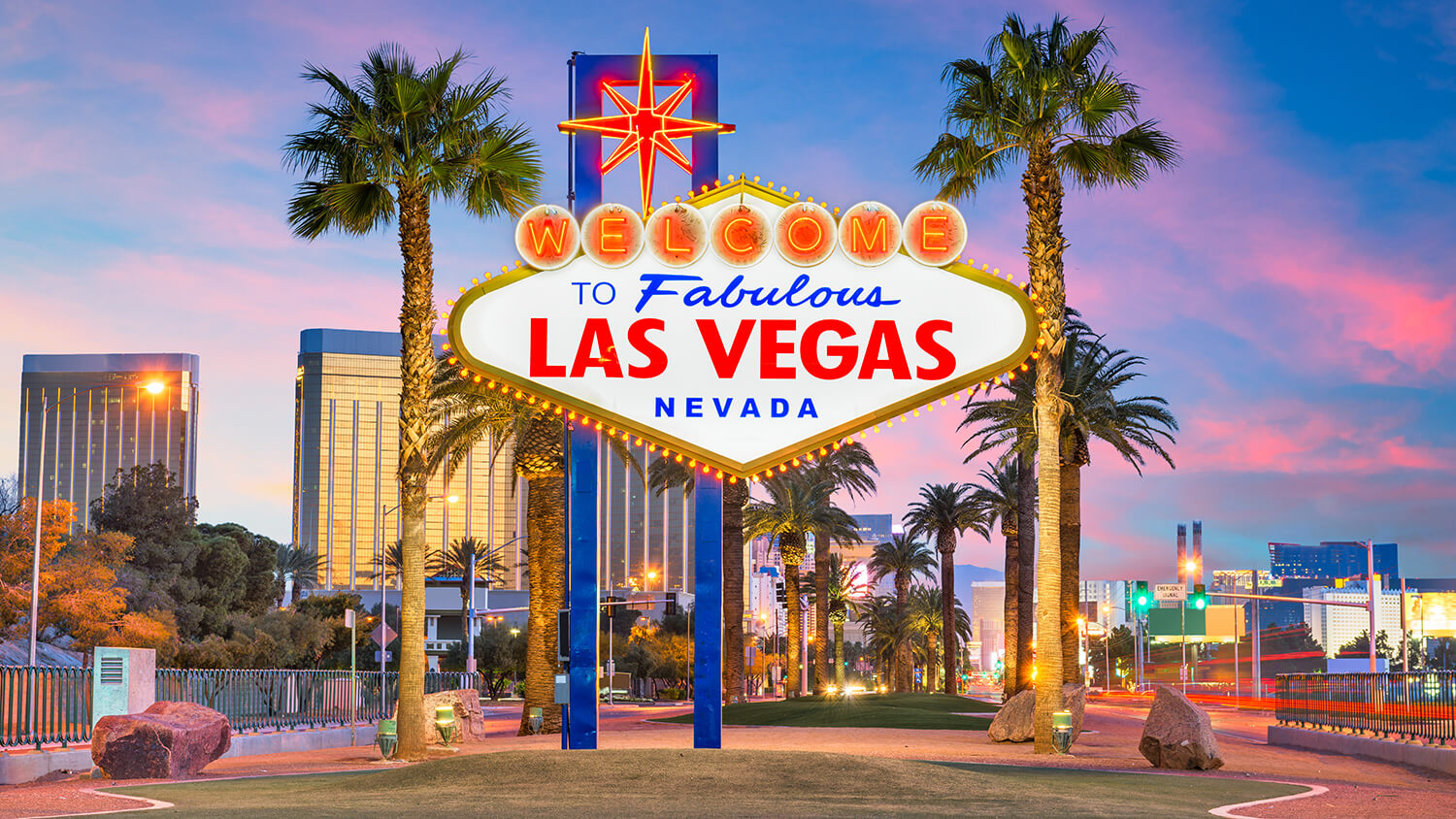
Las Vegas NV functions as a global hub for trade shows and large-scale business events, supported by a network of major convention facilities and an expansive service area that reaches from the Strip and Convention Center District through Paradise, Winchester, Spring Valley, Enterprise, Summerlin, Henderson and multiple satellite communities. This planning resource maps the operational distinctions between these zones, drawing on established primary demand drivers to help exhibitors align display strategies with specific venue and district requirements.
The market sustains a wide footprint designed around the Strip, convention corridor, Henderson, Summerlin and adjacent towns. Key venues recognized as primary demand drivers include the Las Vegas Convention Center, the Venetian Expo, Mandalay Bay Convention Center, Caesars Forum Conference Center, Fontainebleau Las Vegas, Westgate Las Vegas Resort & Casino, Alexis Park All-Suite Resort, Virgin Hotels Las Vegas, Green Valley Ranch Resort & Spa and Hilton Lake Las Vegas Resort & Spa. Coordination begins with understanding how each contributes to the calendar of events and the resulting implications for display scale, timing and integration.
Effective planning emphasizes district-level differentiation, whether addressing high-visibility needs along the Strip, professional environments near the Convention Center, resort-oriented settings in Summerlin and Green Valley, or urban contexts in the Arts District and Downtown. This resource serves strictly as an authoritative planning and coordination guide, focusing on observable market structure without assuming direct execution capabilities.
Execution priorities
- Aligning displays with primary demand drivers such as the Las Vegas Convention Center and Venetian Expo
- Differentiating operational needs between the Las Vegas Strip and Convention Center District
- Accounting for Paradise, Winchester and Spring Valley event characteristics
- Coordinating for Summerlin, Summerlin South and the Summerlin Meeting District
- Planning for Enterprise, Southwest Las Vegas and adjacent growth corridors
- Addressing Henderson, Green Valley Ranch, Lake Las Vegas and related resort venues
- Integrating Downtown Las Vegas, Arts District and North Las Vegas considerations
Las Vegas Convention Center and the Convention Center District
The Las Vegas Convention Center stands as a foundational primary demand driver for the regional trade show calendar, anchoring the dedicated Convention Center District. Planning resources for this zone focus on the scale of events typically hosted here and the need for displays that support both large national exhibitions and more targeted industry conferences. Coordination involves mapping access points, attendee flow patterns common to the district and the interface between the center and nearby support venues.
This district maintains a professional orientation distinct from resort-integrated environments, requiring displays that emphasize clarity, information density and modular adaptability for multi-day rotations. Proximity to supporting areas in Winchester and Paradise allows for extended footprint planning, where exhibitors can coordinate supplemental activations without losing connection to the central convention activity.
Successful strategies treat the Convention Center District as the operational core, with all elements scaled to complement the venue's infrastructure and the consistent flow of professional attendees. Resource-based planning helps identify these structural relationships and prepare coordinated approaches that respect the district's established role in the broader Las Vegas market.
- Reference the Las Vegas Convention Center as a listed primary demand driver
- Distinguish district from Strip environments in planning documents
- Consider interfaces with Winchester and Paradise for extended reach
- Prioritize modularity for multi-day convention schedules
The Venetian Expo, Caesars Forum and Central Strip Coordination
The Venetian Expo functions as another primary demand driver, integrated within the resort ecosystem that characterizes much of the Las Vegas Strip. Planning for displays in this corridor requires attention to the blending of exhibition space with hospitality and retail traffic, creating a distinct operational layer compared to standalone convention centers. Caesars Forum Conference Center further expands options in this zone, supporting events that benefit from the same integrated infrastructure.
Strip planning emphasizes visibility within a competitive, high-traffic setting where attendee movement frequently spans multiple properties. Coordination resources highlight the value of understanding these flow dynamics and preparing displays that maintain brand presence across both formal exhibition periods and ancillary resort interactions. Fontainebleau Las Vegas adds additional capacity in the northern portion of this corridor, broadening the planning scope.
Effective approaches treat the central Strip as a unified environment where display decisions must account for both the primary venues and the surrounding experiential context. This district-level nuance separates Strip coordination from more contained environments in Summerlin or Henderson, guiding planners toward solutions that respect the unique rhythm of activity along this corridor.
Mandalay Bay Convention Center and South Strip Planning
Mandalay Bay Convention Center completes the trio of major primary demand drivers on the Las Vegas Strip, shaping planning considerations for the southern section. This area often supports events with broader entertainment components, requiring display coordination that balances trade show functionality with the resort's leisure-oriented atmosphere. The surrounding Enterprise and Spring Valley neighborhoods provide additional context for logistics and attendee accommodation strategies.
South Strip planning resources stress differentiation from central and northern Strip segments, noting variations in audience profiles, property density and transportation access. Coordination extends to potential linkages with the Convention Center District, allowing exhibitors to develop unified approaches across multiple primary venues when events span several days or require phased activations.
By treating Mandalay Bay and its district as a distinct planning unit, resources help organizers avoid generic assumptions and instead focus on the specific operational details that emerge from the venue's position within the larger Las Vegas ecosystem. This precision supports more effective allocation of display resources across the market's varied zones.
- Position Mandalay Bay as a core primary demand driver
- Differentiate south Strip from central Strip operational patterns
- Link to Enterprise and Spring Valley for comprehensive planning
- Prepare for potential multi-venue event sequences
Summerlin, Summerlin South and the Western Meeting District
Summerlin and Summerlin South represent upscale, master-planned environments that extend the Las Vegas trade show footprint westward. The Summerlin Meeting District has emerged as a specialized planning zone, often favored for events seeking a more contained, premium atmosphere away from the intensity of the Strip. Coordination resources map these areas as complementary to the primary convention drivers, suitable for corporate meetings, smaller exhibitions and satellite programming.
Planning in Summerlin emphasizes integration with the community's residential and commercial infrastructure, where display approaches benefit from a focus on sophistication and targeted attendee engagement. This contrasts with the higher-volume environments of the Convention Center District or the resort density of the Strip, creating clear district-level differentiation that informs every element of preparation.
The western corridor, including Summerlin West, adds further granularity for planners coordinating multi-district campaigns. Resources highlight the value of understanding these distinctions to ensure display selections and logistical timelines align with the specific character and pacing of Summerlin-area events.
Henderson, Green Valley Ranch and the Lake Las Vegas Corridor
Henderson and its associated communities, including Green Valley and the Lake Las Vegas area, form an important southeastern extension of the Las Vegas trade show market. Venues such as Green Valley Ranch Resort & Spa and Hilton Lake Las Vegas Resort & Spa are recognized among primary demand drivers, supporting events that leverage resort amenities and more relaxed settings. Planning resources position these locations as distinct from both Strip activity and the core Convention Center District.
The Henderson Lake Las Vegas Corridor offers operational advantages for events seeking separation from the main convention thoroughfares while still benefiting from proximity to the broader Las Vegas ecosystem. Display coordination in these zones typically incorporates the natural and resort-oriented surroundings, requiring approaches that harmonize with the local environment and audience expectations.
Satellite planning for Anthem, Inspirada, Seven Hills and related neighborhoods further refines the resource map, allowing exhibitors to develop targeted strategies for events that utilize the full geographic reach of the Las Vegas NV market. This layered perspective ensures comprehensive preparation across all recognized demand areas.
- Reference Green Valley Ranch Resort & Spa and Hilton Lake Las Vegas as primary demand drivers
- Distinguish Henderson corridor from Strip and Convention Center planning
- Incorporate resort-specific operational considerations
- Map connections to nearby communities including Anthem and Inspirada
Downtown Las Vegas, Arts District and Emerging Urban Zones
Downtown Las Vegas and the Arts District provide urban, creative counterpoints to the resort and convention-focused districts. These areas support events with distinct cultural and innovative profiles, necessitating display planning that aligns with smaller-scale, high-impact environments. Coordination resources identify these zones as essential components of the overall Las Vegas taxonomy, offering alternatives to the larger primary venues for targeted or niche exhibitions.
North Las Vegas, Centennial Hills, Sunrise Manor and Whitney expand the northern and eastern planning considerations, while areas such as Boulder City, Primm and Jean represent the outermost satellite towns within the extended service footprint. Each adds operational nuance, from transportation logistics to audience demographics, that informed planners incorporate into comprehensive market strategies.
By cataloging these districts alongside the Strip, Convention Center and resort corridors, the resource creates a complete operational taxonomy. This approach supports precise decision-making for exhibitors whose events may shift between multiple zones or require hybrid formats that bridge different segments of the Las Vegas NV landscape.
Integrated Planning Across the Full Las Vegas Service Area
The Las Vegas NV market's ability to sustain activity across the Strip, convention corridor, Henderson, Summerlin and satellite towns creates both opportunity and complexity. Authoritative planning integrates insights from all primary demand drivers and recommended locations to produce cohesive strategies that respect the distinct operational signatures of each district. This includes timeline alignment when events utilize multiple venues such as the Las Vegas Convention Center, Venetian Expo and Mandalay Bay Convention Center within a single campaign.
Resource-based coordination emphasizes preparation for the full spectrum of listed locations, from the high-density Paradise and Enterprise neighborhoods to the more dispersed communities of Summerlin West, Southwest Las Vegas and the Henderson Lake Las Vegas Corridor. Such mapping prevents oversimplification and instead highlights the specific planning adjustments required as events move between environments.
Ultimately, this taxonomy-driven approach equips exhibitors and organizers with the structured understanding needed to navigate the Las Vegas market effectively. By maintaining focus on observable venue relationships, district differentiations and documented demand drivers, the resource delivers actionable planning guidance without venturing beyond established market realities.
- Utilize the complete list of primary demand driver venues in strategy development
- Map recommended locations including all Summerlin variants and Henderson extensions
- Align timelines across the convention corridor and satellite communities
- Maintain district-level distinctions throughout the planning process
Frequently Asked Questions on Las Vegas NV Trade Show Display Planning
What are the primary demand drivers for trade shows in Las Vegas NV?
The primary demand drivers are venues including the Las Vegas Convention Center, the Venetian Expo, Mandalay Bay Convention Center, Caesars Forum Conference Center, Fontainebleau Las Vegas, Westgate Las Vegas Resort & Casino, Alexis Park All-Suite Resort, Virgin Hotels Las Vegas, Green Valley Ranch Resort & Spa and Hilton Lake Las Vegas Resort & Spa.
How do the Las Vegas Strip and Convention Center District differ for display planning?
The Strip emphasizes high-visibility, resort-integrated environments with constant traffic, while the Convention Center District maintains a more professional, large-scale exhibition focus. Planning resources treat them as distinct zones requiring tailored coordination approaches.
Which districts and communities form the wider Las Vegas service area?
The service area encompasses the Las Vegas Strip, Convention Center District, Paradise, Winchester, Spring Valley, Enterprise, Summerlin, Summerlin South, Henderson, Green Valley, Lake Las Vegas, Downtown Las Vegas, the Arts District, North Las Vegas and additional satellite towns.
Why is district-level differentiation important in Las Vegas trade show planning?
Each district and venue cluster presents unique operational characteristics, attendee profiles and logistical considerations. Recognizing these nuances allows for more precise alignment of displays and event strategies across the market.
Can planning resources address events across multiple Las Vegas locations?
Yes. Comprehensive resources map relationships between primary venues and recommended locations, supporting coordinated strategies for events that span the Strip, Summerlin, Henderson and other listed districts.
What role do resort venues play in the Las Vegas market?
Resort venues such as Green Valley Ranch, Hilton Lake Las Vegas, Virgin Hotels and Fontainebleau function as primary demand drivers, offering specialized environments that complement the major convention centers and expand planning options across the region.