
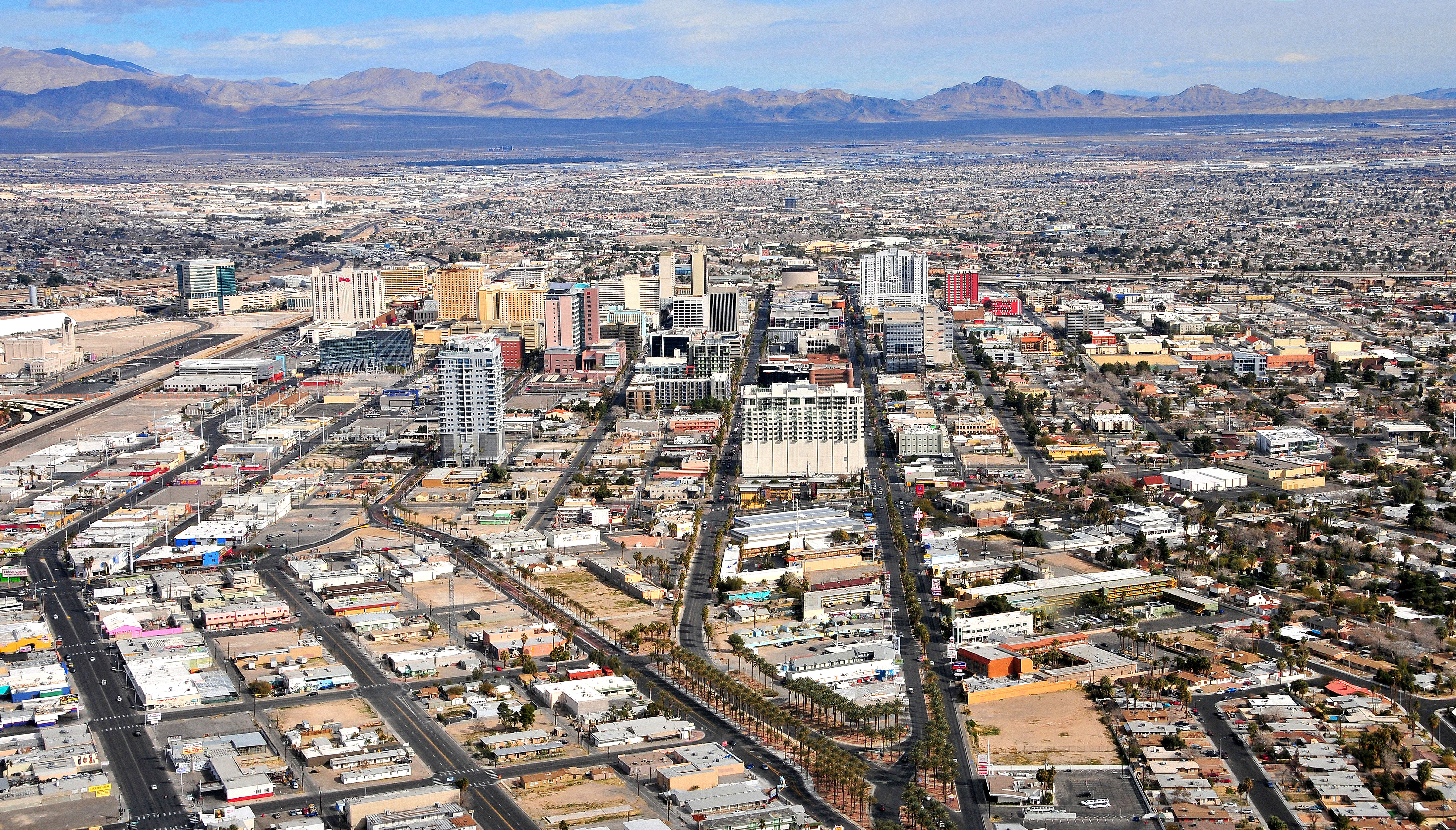
The West of Strip district forms a vital component of the broader Las Vegas event landscape, bridging master-planned residential and commercial communities with the city's primary convention infrastructure. This area serves planners who require alternatives to the intense activity concentrated along the central Las Vegas Boulevard corridor, offering connectivity to key properties while drawing from distinct attendee pools in neighborhoods including Summerlin, Spring Valley, and Enterprise. Coordination in this district emphasizes alignment with the documented demand drivers that power Las Vegas meetings and exhibitions.
Successful exhibit planning here involves nuanced attention to how events at integrated resort properties interact with the larger convention calendar. Venues such as Westgate Las Vegas Resort & Casino contribute specialized capacity that complements the scale of gatherings at the Las Vegas Convention Center, Venetian Expo, Mandalay Bay Convention Center, and Caesars Forum. Planners benefit from understanding these interrelationships to create campaigns that maintain consistency across multiple sites without disruption from core Strip congestion patterns.
As an authoritative planning resource, this overview equips decision-makers with operational details for optimizing display rentals, booth configurations, and logistical sequencing specific to western access routes and the unique characteristics of off-corridor properties. The guidance draws directly from established market realities, including the contributions of Fontainebleau Las Vegas, Virgin Hotels Las Vegas, and satellite resorts that expand options for corporate and association events.
Execution priorities
- Alignment with documented demand at Westgate Las Vegas Resort & Casino and complementary convention facilities
- Differentiation of attendee profiles drawn from Summerlin, Spring Valley, and Enterprise communities
- Integration of exhibit plans with citywide schedules at the Las Vegas Convention Center and Venetian Expo
- Attention to spatial requirements at resort-based venues versus dedicated convention centers
- Strategic sequencing for events that span the western districts and central Strip corridor
- Optimization of modular display systems for the range of booth footprints common in the market
- Connectivity considerations linking West of Strip to the Summerlin Meeting District and adjacent areas
Positioning West of Strip Within the Las Vegas Convention Ecosystem
West of Strip Las Vegas occupies a distinctive position in the regional event hierarchy. Bounded by the western edge of the primary tourist corridor, this district channels activity from growing western suburbs directly toward major venues without requiring traversal of the highest-density pedestrian and vehicular zones. The Las Vegas market as a whole draws strength from a wide footprint that includes the Convention Center District, Paradise, Winchester, and Summerlin, allowing planners to distribute exhibit efforts according to specific event requirements and audience concentrations.
The presence of Westgate Las Vegas Resort & Casino as a longstanding contributor to meeting capacity provides a focal point for many mid-scale exhibitions and corporate functions. These events frequently run parallel to larger programs at the Venetian Expo and Mandalay Bay Convention Center, creating opportunities for coordinated display campaigns that extend brand visibility across multiple days and locations. Planners reference the official venue profiles to map these overlaps and avoid scheduling conflicts that could impact setup windows or attendee crossover.
Operational detail matters greatly in this district. Properties west of the Strip often feature self-contained meeting complexes that support both standalone events and extensions of citywide conventions. Understanding the documented scale of these facilities, from ballroom dimensions to breakout room configurations, enables precise specification of rental displays that maximize visibility while respecting each venue's technical parameters. This approach ensures exhibits remain effective whether the target gathering draws 500 or 5,000 participants.
- Westgate Las Vegas Resort & Casino as established western venue
- Proximity to Summerlin Meeting District for expanded options
- Reduced interaction with central Strip pedestrian flows
- Complementary role to Las Vegas Convention Center programming
- Support for events at Fontainebleau Las Vegas and related properties
Venue-Specific Considerations for Western District Events
Each property accessible from the West of Strip carries distinct operational signatures that shape exhibit planning. The Westgate Las Vegas Resort & Casino, for example, maintains a portfolio of flexible spaces suited to both trade show floors and seminar-style presentations. Its positioning allows planners to stage displays that align with the property's emphasis on comprehensive resort amenities, creating environments where attendees can engage without the interruptions common in more centralized locations.
Larger market drivers such as the Las Vegas Convention Center and Venetian Expo set the overarching rhythm for the calendar. Exhibits coordinated from the western side must therefore incorporate rapid reconfiguration capabilities to transition between the expansive halls of dedicated convention facilities and the more intimate scale of resort ballrooms at properties like Alexis Park All Suite Resort or Green Valley Ranch Resort & Spa. This versatility forms a core competency for successful multi-venue participation across the Las Vegas Valley.
Additional properties including Caesars Forum Conference Center and Fontainebleau Las Vegas further diversify the options. Fontainebleau in particular expands northern exposure that can be accessed efficiently from western routes, supporting events that benefit from separation from the primary convention corridor. Planners consult detailed venue specifications to determine optimal display footprints, lighting integration, and storage requirements well in advance of move-in dates.
District-level differentiation emerges clearly when comparing West of Strip planning to counterparts in Paradise or the Arts District. Western coordination typically prioritizes logistics that leverage major thoroughfares outside the tourist core, enabling smoother equipment movement and personnel deployment for events that do not require direct convention center adjacency.
- Westgate Las Vegas Resort & Casino meeting complex
- Venetian Expo and Mandalay Bay Convention Center scale
- Caesars Forum for specialized conference formats
- Fontainebleau Las Vegas northern capacity
- Summerlin Meeting District emerging role
Logistical Sequencing and Timeline Management
Effective coordination in the West of Strip district requires meticulous timeline construction that accounts for the full spectrum of Las Vegas event activity. Major conventions at the Las Vegas Convention Center often generate overflow programming at western properties, necessitating precise scheduling of display installation, refinement, and dismantling phases. Resources for planners highlight the importance of building buffer periods that accommodate potential shifts in the overall citywide calendar.
Traffic and access patterns constitute another critical variable. Routes originating from Summerlin and Spring Valley allow exhibitors to approach western venues while minimizing exposure to congestion associated with central Strip operations. This differentiation supports more predictable setup windows, particularly for multi-day events that combine exhibition hours with evening networking at integrated resorts such as Virgin Hotels Las Vegas or Hilton Lake Las Vegas Resort & Spa.
Operational planning further incorporates the documented growth of satellite meeting activity in areas like the Summerlin Meeting District. As these zones capture increasing corporate events, display strategies must scale accordingly, incorporating modular components that can be deployed efficiently across varying square footage requirements. Coordination resources stress early mapping of all participating venues to ensure consistent branding and messaging continuity.
Display Selection and Configuration Best Practices
Rental display systems for West of Strip events must balance versatility with venue-specific performance. Properties such as Westgate Las Vegas favor configurations that integrate well with resort aesthetics while delivering clear sight lines across moderately sized halls. In contrast, participation in larger programs at the Venetian Expo or Mandalay Bay Convention Center may require taller structures and enhanced graphics to compete within expansive environments.
Planning resources recommend beginning with a comprehensive audit of all target venues drawn from the primary Las Vegas demand drivers. This process identifies common booth dimensions, power access points, and material restrictions that inform final selections. Modular rental inventories prove particularly valuable because they permit rapid adaptation when an event migrates between the western district and the Convention Center District or Enterprise-adjacent properties.
Nuanced differentiation by district enhances outcomes. Exhibits positioned for western audiences often incorporate more consultative engagement zones, reflecting the professional demographics prevalent in Summerlin and nearby business communities. This stands in contrast to the higher-velocity traffic patterns associated with central Strip or South Strip events, where bolder color palettes and interactive elements may take precedence.
Long-term campaign management benefits from standardized yet flexible components that maintain brand integrity across the full range of recommended locations, from Downtown Las Vegas and the Arts District to Henderson and North Las Vegas corridors. Such consistency strengthens recognition while allowing tactical adjustments based on each property's unique ambiance and attendee expectations.
- Modular systems for rapid venue transitions
- Graphics calibrated to specific hall dimensions
- Integration of technology for interactive zones
- Storage and refurbishment planning between events
- Scalability from intimate resort gatherings to large expositions
Attendee Demographics and Engagement Planning
The communities feeding the West of Strip district contribute distinct attendee profiles that reward tailored engagement approaches. Professionals based in Summerlin, Spring Valley, and Enterprise often prioritize efficiency and substantive content, influencing the design of exhibit spaces that facilitate meaningful conversations rather than purely transactional interactions. Coordination resources analyze these patterns to recommend display configurations that support both scheduled presentations and organic networking.
Events at western properties frequently function as extensions of larger conventions hosted at the Las Vegas Convention Center or Caesars Forum. This creates layered audiences that include core convention registrants plus local executives who attend only the off-corridor sessions. Successful planning therefore incorporates dual-purpose displays capable of addressing both groups without requiring complete reconfiguration between program segments.
Broader market context from venues such as Green Valley Ranch Resort & Spa and Hilton Lake Las Vegas Resort & Spa demonstrates how regional draw influences content strategy. Planners reference these demand drivers to forecast attendance composition and adjust messaging, graphics, and demonstration schedules accordingly. The result is higher relevance and improved return on investment for exhibitors operating across the western district.
Integration with Adjacent Districts and Future Growth
West of Strip planning never occurs in isolation. Strong operational linkages exist with the Convention Center District, Las Vegas Strip proper, Paradise, Winchester, and the Summerlin Meeting District. Effective coordination maps these relationships to create unified campaigns that leverage the strengths of each zone while mitigating weaknesses such as peak-period congestion or venue availability constraints.
The documented expansion of meeting infrastructure across the Las Vegas Valley, including continued development in Enterprise, Southwest Las Vegas, and the Henderson corridor, suggests sustained opportunity for western district participation. Planners who build flexible frameworks today position themselves to accommodate future events at both established properties like Westgate Las Vegas and emerging venues within the broader ecosystem.
This interconnected view supports sophisticated budgeting and resource allocation. Rather than treating each exhibition as discrete, authoritative coordination treats the full portfolio of Las Vegas opportunities as an integrated program. Display rentals selected with this perspective in mind deliver superior adaptability, allowing smooth movement between the relaxed pace of western resort functions and the high-intensity environment of central convention halls.
Continued reference to primary demand drivers ensures that strategies remain grounded in actual market performance. The Las Vegas Convention Center, Venetian Expo, Mandalay Bay Convention Center, and complementary resorts collectively define the parameters within which West of Strip exhibitors can achieve measurable results.
- Linkages to Summerlin Meeting District and Enterprise
- Connectivity with Downtown and Arts District programming
- Preparation for growth in Henderson and Lake Las Vegas corridors
- Unified campaign frameworks across all recommended locations
Developing a Comprehensive Coordination Framework
A robust framework for West of Strip events begins with calendar synchronization across all major Las Vegas venues. By mapping confirmed dates at the Las Vegas Convention Center, Venetian Expo, Westgate Las Vegas, Fontainebleau Las Vegas, and additional properties, planners create a master timeline that identifies optimal windows for display deployment and audience targeting. This systematic approach eliminates reactive decision-making and replaces it with proactive resource optimization.
Budget considerations extend beyond initial rental costs to encompass the full operational cycle, including transportation sequencing between western staging areas and final venue sites. The differentiation of West of Strip from East of Strip or Strip Central locations becomes evident in these calculations, where western routing often supports more economical and reliable scheduling. Resources for planners provide structured frameworks for capturing these variables without assuming direct execution capabilities.
Finally, post-event evaluation closes the loop. Detailed analysis of engagement metrics at western properties versus central convention halls supplies data for continuous refinement. Over multiple cycles, this iterative process elevates exhibit performance throughout the Las Vegas market, ensuring that investments in display coordination deliver compounding returns as the city's event calendar evolves.
Frequently Asked Questions
What defines the West of Strip district for trade show planning purposes?
The West of Strip encompasses neighborhoods and venues west of the primary Las Vegas Boulevard corridor, including strong connectivity to Summerlin, Spring Valley, and Enterprise. It functions as a strategic alternative to central Strip activity while maintaining access to the full spectrum of Las Vegas convention demand drivers.
Which major venues most directly influence West of Strip exhibit coordination?
Westgate Las Vegas Resort & Casino serves as a primary western anchor, complemented by the Las Vegas Convention Center, Venetian Expo, Mandalay Bay Convention Center, Caesars Forum, and Fontainebleau Las Vegas. These properties collectively shape the event calendar that planners reference when developing integrated display strategies.
How does planning for West of Strip differ from central Strip or Convention Center District approaches?
Western district coordination typically emphasizes resort-scale environments, reduced core corridor congestion, and attendee profiles drawn from Summerlin and adjacent communities. This leads to display configurations optimized for consultative engagement rather than high-volume pedestrian traffic common in central locations.
What role does the Summerlin Meeting District play in West of Strip strategies?
Summerlin functions as an important growth area that expands options for corporate events and satellite programming. Planners integrate it with West of Strip coordination to create campaigns that serve both suburban business communities and the larger Las Vegas convention infrastructure.
Why is modular display rental advantageous for this district?
Modular systems allow efficient adaptation between the varied spatial requirements of Westgate Las Vegas, larger convention halls, and satellite properties. This flexibility supports multi-venue participation without necessitating entirely new builds for each event on the Las Vegas calendar.
How should planners approach scheduling across the broader Las Vegas market?
Begin by mapping all primary demand drivers including the Las Vegas Convention Center, Venetian Expo, and resort venues. This creates a unified timeline that accounts for overlaps, move-in windows, and audience flow between West of Strip properties and other districts.