
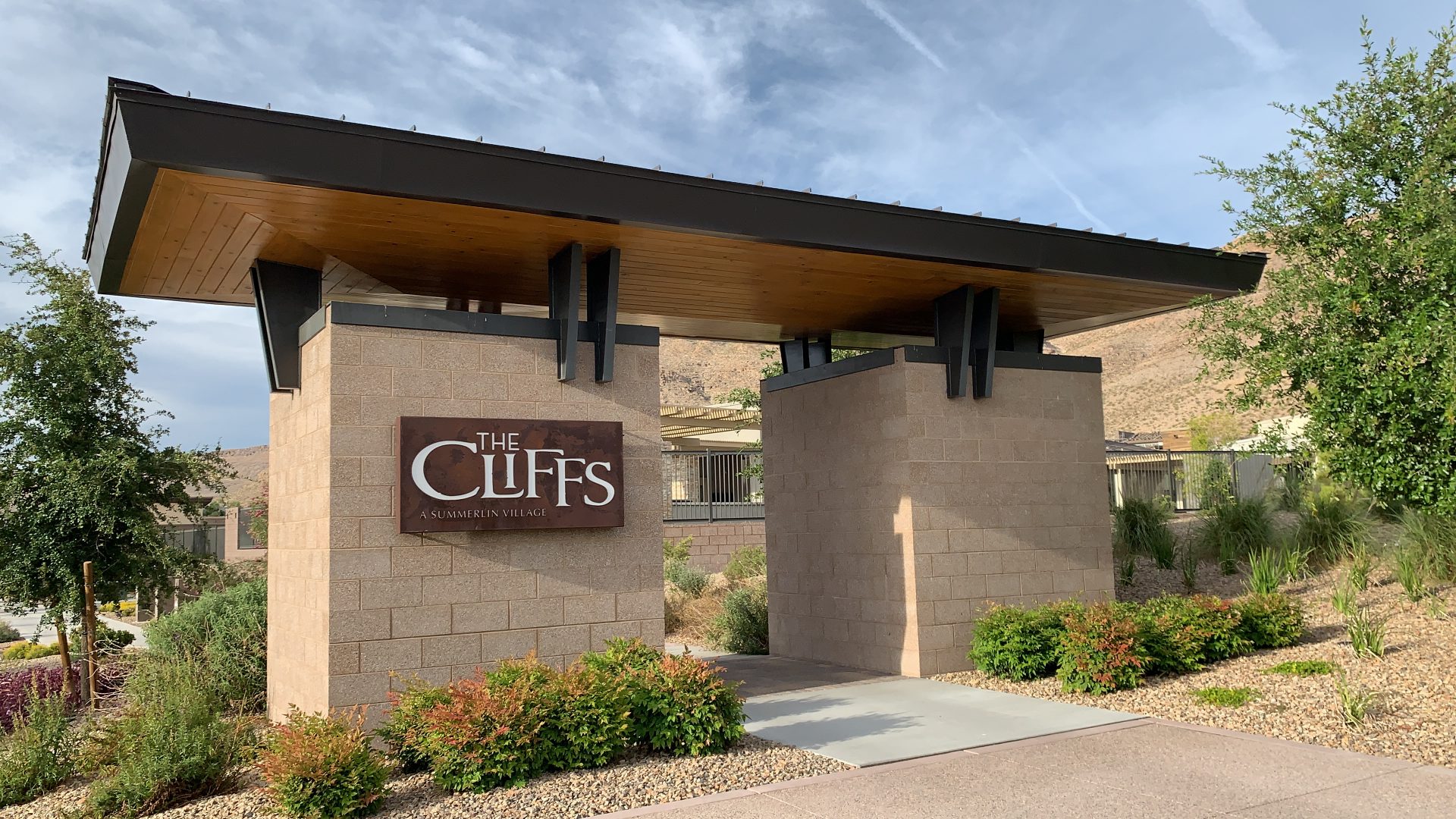
Summerlin South forms an integral part of the wider Las Vegas service area that supports participation in the region's extensive trade show and convention calendar. As a distinct district within the overall market footprint spanning the Strip, convention corridor, Henderson, and Summerlin communities, it requires planning approaches that account for its specific position relative to primary event drivers. Coordination resources emphasize alignment with documented venue parameters to ensure exhibits meet operational standards across multiple sites.
The Las Vegas market draws strength from flagship facilities including the Las Vegas Convention Center, the Venetian Expo, Mandalay Bay Convention Center, Caesars Forum Conference Center, Fontainebleau Las Vegas, and Westgate Las Vegas Resort & Casino. Summerlin South planners benefit from understanding how these venues shape exhibit requirements while differentiating approaches from those suited to adjacent districts such as Enterprise, Spring Valley, or the Convention Center District itself. This district-level nuance informs more precise decisions on scale, modularity, and audience engagement tactics.
Effective planning treats Summerlin South as a complementary node within the recommended location taxonomy that also encompasses Summerlin proper, Southwest Las Vegas, West of Strip, and satellite areas like Green Valley and Lake Las Vegas. By focusing exclusively on coordination frameworks, organizations can develop resilient strategies that adapt to the varied demands of events hosted throughout the metropolitan region.
Execution priorities
- District differentiation from Strip, Paradise, and Convention Center areas
- Alignment with specifications at the Las Vegas Convention Center and Venetian Expo
- Adaptation protocols for Mandalay Bay, Caesars Forum, and Fontainebleau venues
- Modular system selection for multi-venue campaign flexibility
- Integration of technology within established Las Vegas exhibition standards
- Timeline development spanning the full regional event calendar
- Metrics framework for evaluating outcomes across the service area
Understanding Summerlin South in the Las Vegas Market Context
The established rationale for Las Vegas trade show activity supports an extended service footprint that incorporates Summerlin South alongside core zones including the Strip, convention corridor, Henderson, and Summerlin. This positioning allows organizations in the district to engage with events distributed across a wide geographic and functional range without being limited to any single cluster. Planning therefore begins with comprehensive mapping of interconnections between Summerlin South and the primary venues that generate the majority of exhibition demand.
Unlike the intense activity concentrations found in Paradise, Winchester, or the Convention Center District, Summerlin South presents a more measured environment that influences preparatory workflows and scheduling buffers. Coordination as an authoritative resource involves recognizing these distinctions to avoid generic frameworks and instead develop approaches calibrated to actual operational patterns across the valley.
The recommended locations taxonomy further positions Summerlin South as secondary priority yet fully integrated with nearby designations such as Summerlin West, Southwest Las Vegas, and the Summerlin Meeting District. This interconnected view supports campaigns that span multiple districts, ensuring exhibit strategies remain consistent while accommodating venue-specific adjustments.
By maintaining focus on planning protocols rather than execution claims, resources help organizations build institutional knowledge that compounds across repeated participation in the Las Vegas market.
- Service area rationale encompassing Summerlin and satellite communities
- Differentiation from high-density Strip and Convention Center planning
- Integration within extended taxonomy including Henderson and Enterprise
Primary Venues Shaping Coordination Requirements
Demand drivers for the Las Vegas market center on major facilities documented through authoritative industry listings. The Las Vegas Convention Center serves as a foundational venue for large-scale events, requiring exhibits that perform effectively within expansive floorplans and high-traffic conditions. The Venetian Expo complements this with its emphasis on integrated, sophisticated environments that reward precise dimensional planning.
Additional venues including Mandalay Bay Convention Center, Caesars Forum Conference Center, Fontainebleau Las Vegas, and Westgate Las Vegas Resort & Casino each contribute distinct operational characteristics. These range from resort-integrated setups to specialized conference configurations, all of which must be factored into any unified rental strategy originating from Summerlin South.
Supporting properties such as Alexis Park All Suite Resort, Virgin Hotels Las Vegas, Green Valley Ranch Resort & Spa, and Hilton Lake Las Vegas Resort & Spa expand the available options for targeted or boutique events. Coordination involves cross-referencing these venues against the specific objectives of each exhibition to determine optimal display configurations.
This venue-by-venue analysis enables planners to avoid assumptions and instead rely on documented parameters, creating adaptable solutions that maintain effectiveness whether the target is a flagship expo or a specialized gathering.
- Las Vegas Convention Center as cornerstone facility
- Venetian Expo for integrated sophistication
- Mandalay Bay, Caesars Forum, and Fontainebleau for varied scales
- Westgate, Virgin Hotels, and supporting resort venues
Exhibit Design and Modularity Planning
Successful coordination for Summerlin South begins with design frameworks that prioritize versatility across the documented range of Las Vegas venues. Modular components allow reconfiguration that addresses differing ceiling heights, power access points, and audience flow patterns without requiring complete redesign between events. This approach supports efficiency for organizations managing multiple appearances within the annual calendar.
Dimensional analysis forms a core planning step, ensuring selected elements comply with the specific floor plans and regulations associated with each primary venue. Resources emphasize early verification against venue documentation to prevent downstream complications and to enable confident scaling decisions.
Technology integration must be approached with equal rigor, selecting components that enhance rather than complicate the core display while aligning with typical audience expectations at Las Vegas events. Whether incorporating interactive elements or enhanced audiovisual features, the choices should derive from clear event objectives and venue capabilities.
The planning process further incorporates considerations for storage, refresh cycles, and reusability across the service area. By treating these as integrated elements of the overall strategy, organizations achieve better consistency and reduced redundancy in their exhibition programs.
Timeline and Logistical Coordination Frameworks
Effective planning for Summerlin South trade show participation requires timelines that extend well beyond single events to encompass the full regional calendar. Lead times must accommodate design approval, component sourcing, testing, and contingency preparation, particularly when schedules involve transitions between distant venues such as those on the Strip versus west-side or Henderson locations.
District-level differentiation influences these timelines. Summerlin South's position within the western valley supports different buffer periods compared to districts immediately adjacent to the Convention Center or Arts District. Authoritative coordination resources provide structured methods for calculating these intervals based on venue type, event scale, and campaign complexity.
Multi-venue campaigns demand additional layers of oversight, including standardized documentation that travels with the exhibit elements. This documentation captures configuration details, performance notes, and venue feedback, creating a reference base that improves future planning cycles.
The overall framework treats logistics as an extension of strategic objectives rather than isolated tasks, ensuring that timing decisions directly support audience engagement and measurable outcomes.
- Extended planning horizons for flagship venues
- Buffer calculations differentiated by district
- Documentation standards for multi-event consistency
- Integration of regional calendar patterns
Venue-Specific Adaptation and Differentiation
Each major Las Vegas facility rewards tailored planning that respects its unique operational profile. The Las Vegas Convention Center often favors high-visibility, structurally robust designs capable of commanding attention across large halls. In contrast, venues like the Venetian Expo or Caesars Forum may prioritize smooth integration with sophisticated surroundings and advanced technical infrastructure.
Summerlin South planners must therefore develop core exhibit platforms that permit efficient modification rather than uniform application. This nuanced approach accounts for the full recommended location list, from Strip Central and Strip South to Henderson Lake Las Vegas Corridor and Inspirada, ensuring relevance regardless of the specific target.
Differentiation extends to audience considerations as well. Events at Mandalay Bay or Fontainebleau may attract different demographics than those at Westgate or boutique properties such as Alexis Park, requiring adjustments in messaging emphasis and interactive elements. Coordination resources supply frameworks for making these determinations systematically.
By cataloging venue parameters and past outcomes, planners build progressively more refined models that reduce risk and enhance impact across successive campaigns within the Las Vegas ecosystem.
Measurement, Refinement, and Long-Term Strategy
Authoritative planning incorporates defined metrics from the outset, allowing organizations in Summerlin South to evaluate exhibit performance against clear criteria tied to event objectives. These metrics might include engagement duration, lead quality, or brand recall, each contextualized according to the specific venue and audience profile.
Post-event analysis feeds directly into future coordination, creating iterative improvement cycles that leverage accumulated knowledge of the Las Vegas market. This long-term perspective proves especially valuable given the recurrence of major industry events at the primary facilities.
Strategy development at this level also considers how individual exhibitions fit within broader corporate initiatives, identifying synergies with non-exhibit marketing or with appearances at complementary venues across the service area. The result is a cohesive program rather than disconnected events.
Continuous alignment with evolving venue offerings and market signals ensures that rental decisions remain optimal as the Las Vegas convention landscape develops.
- Establishment of venue-aligned performance metrics
- Iterative refinement based on documented outcomes
- Integration with broader organizational objectives
- Ongoing alignment with primary demand drivers
Holistic Coordination Resources for the Region
The interconnected nature of the Las Vegas market means that planning resources for Summerlin South must reference the complete taxonomy of recommended locations. This includes not only immediate neighbors such as Summerlin, Spring Valley, and Enterprise but also more distant yet relevant areas like Downtown Las Vegas, North Las Vegas, and Boulder City.
By synthesizing information across these districts, coordination becomes more strategic and less reactive. Planners can anticipate shifts in event distribution and adjust exhibit strategies accordingly, always grounding decisions in the documented characteristics of each venue.
The emphasis remains on providing frameworks, checklists, and decision models rather than prescriptive solutions. This empowers organizations to develop customized approaches that respect the specific opportunities present within Summerlin South while capitalizing on the full strength of the Las Vegas convention ecosystem.
Frequently Asked Questions About Summerlin South Trade Show Planning
How does planning from Summerlin South differ from other Las Vegas districts?
Summerlin South requires coordination approaches that account for its position within the wider service footprint, distinct from the density of the Strip, Convention Center District, or Paradise. This influences timeline buffers, venue transition planning, and adaptation strategies while maintaining access to all primary demand drivers.
Which venues should Summerlin South exhibitors prioritize in their planning?
Key facilities include the Las Vegas Convention Center, the Venetian Expo, Mandalay Bay Convention Center, Caesars Forum Conference Center, Fontainebleau Las Vegas, Westgate Las Vegas Resort & Casino, and supporting venues such as Virgin Hotels Las Vegas, Green Valley Ranch, and Hilton Lake Las Vegas.
What display characteristics work best across the Las Vegas market from Summerlin South?
Modular, reconfigurable systems that support adaptation to varying venue specifications provide the necessary flexibility. Planning emphasizes core platforms that can be modified for scale, technology, and audience requirements at different locations.
How should timelines be structured for Summerlin South trade show campaigns?
Comprehensive planning typically begins 6 to 12 months ahead for major events at flagship venues, incorporating buffers for district-specific logistics, iterative design reviews, and contingency preparation across the full regional calendar.
Can a single exhibit strategy serve multiple venues from Summerlin South?
With structured coordination and modular construction, core elements can be adapted across venues. However, successful execution requires venue-by-venue analysis of spatial, technical, and audience parameters rather than uniform application.
What role does measurement play in long-term Summerlin South planning?
Defined metrics tied to specific venue and event objectives enable iterative refinement. This creates compounding knowledge that improves resource allocation and outcomes across repeated participation in the Las Vegas market.