
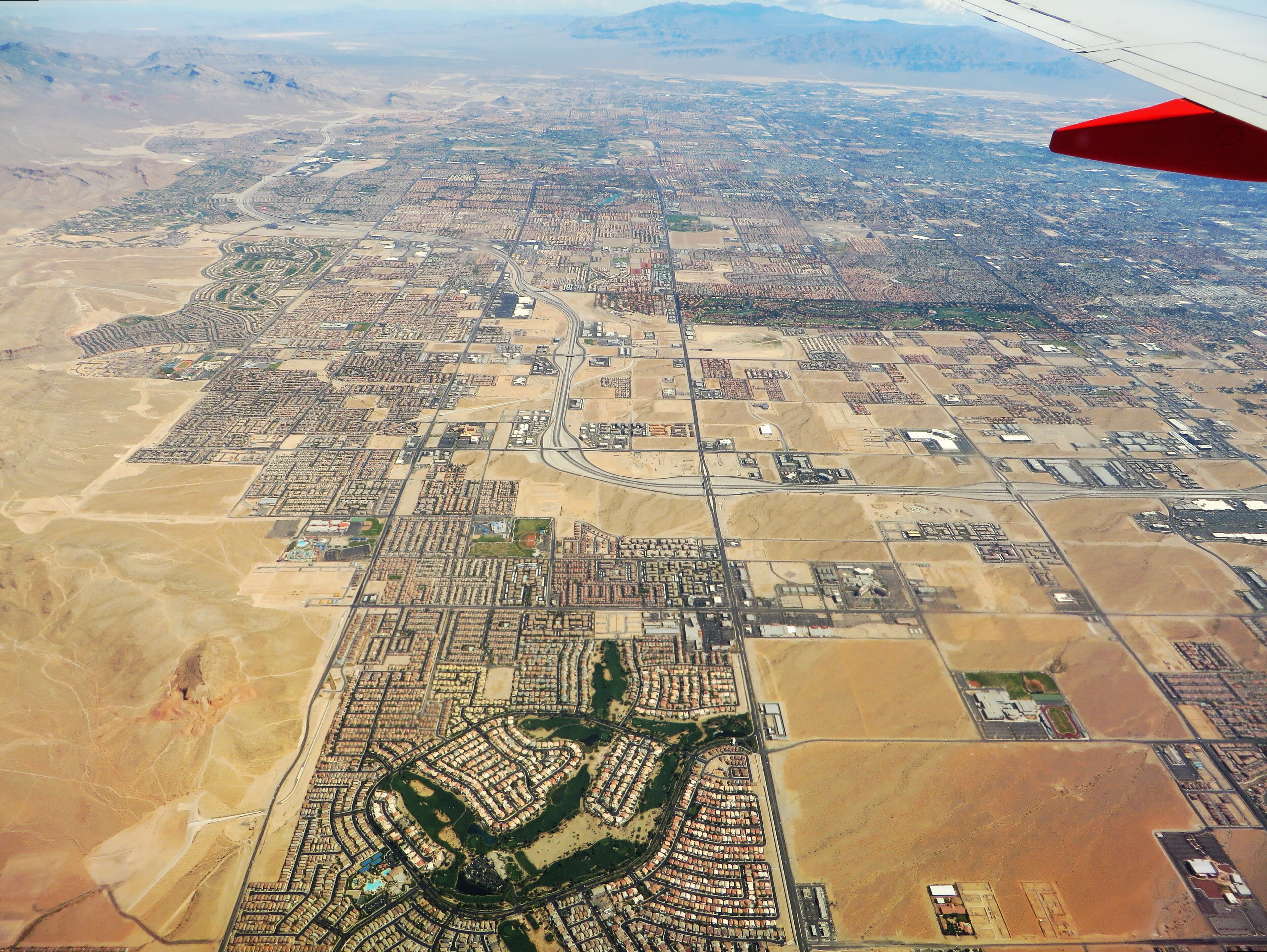
Southwest Las Vegas functions as a measured counterpoint to the intense activity concentrated along the primary convention corridor and Strip. This district supports exhibitors who require reliable access to major venues while operating from an area defined by its adjacency to Spring Valley, Enterprise, and western residential developments. Planning resources focused on this quadrant emphasize precise timing, scalable designs, and integration with the city's wide service footprint that encompasses Summerlin, Henderson, and satellite zones.
The consistent flow of events at facilities such as the Las Vegas Convention Center, Venetian Expo, Mandalay Bay Convention Center, and Caesars Forum generates demand that extends into Southwest Las Vegas. Coordination in this district benefits from attention to secondary routing options that avoid peak Strip congestion, allowing planners to sequence delivery, setup, and refinement with greater predictability. This approach supports both large-scale exhibitions and targeted corporate gatherings that draw from the full spectrum of Las Vegas convention activity.
Effective strategies for Southwest Las Vegas prioritize district-level nuances including its role as an alternative base for attendees and exhibitors associated with South Strip and western corridor events. By focusing exclusively on planning and coordination principles drawn from established market patterns, organizers can develop displays that perform efficiently within the specific infrastructure and scheduling realities of this part of the city.
Execution priorities
- Proximity mapping to South Strip and convention corridor venues
- Traffic and routing differentiation from central Paradise and Winchester zones
- Integration with adjacent Enterprise and Spring Valley event patterns
- Scalable display approaches for varying convention sizes and durations
- Seasonal alignment with demand from listed Las Vegas facilities
- Comparative positioning versus Summerlin and Henderson submarkets
- Timeline coordination that accounts for multi-venue attendee flows
Positioning Southwest Las Vegas in the Regional Convention Footprint
The Las Vegas market sustains a broad service area that incorporates the Strip, convention corridor, Henderson, Summerlin, and neighboring satellite towns including Southwest Las Vegas. This secondary-priority district offers planners an alternative to core concentration zones, enabling exhibit strategies that leverage convenient access without direct immersion in the highest-density traffic flows. Its placement supports efficient movement toward major facilities while maintaining separation that can simplify certain operational sequences.
Exhibitors coordinating through Southwest Las Vegas gain from the district's adjacency to western and southern corridors that feed into larger events. This positioning allows for deliberate choices in display scale and complexity that align with attendee travel patterns originating from or returning to these less centralized areas. The result is a planning framework that treats Southwest Las Vegas as a deliberate extension of the primary convention infrastructure rather than a disconnected outpost.
Market signals confirm that demand generated by flagship venues radiates outward, creating sustained opportunities for well-orchestrated displays in secondary districts. Coordination resources therefore focus on how Southwest Las Vegas connects to the overall calendar without assuming direct venue control or on-site presence.
- Secondary priority within the documented Las Vegas service-area footprint
- Adjacency to Spring Valley, Enterprise, and Summerlin South districts
- Support role for events drawing from the full convention corridor
- Differentiation through reduced core congestion compared to Strip Central
Major Demand Drivers and Their Influence on Southwest Planning
Las Vegas maintains its position through a robust calendar led by premier facilities. The Las Vegas Convention Center, Venetian Expo, and Mandalay Bay Convention Center collectively drive significant annual attendance, with additional contributions from Caesars Forum Conference Center, Fontainebleau Las Vegas, and Westgate Las Vegas Resort & Casino. These venues establish baseline scheduling patterns that extend planning considerations into Southwest Las Vegas for exhibitors seeking balanced positioning.
Alexis Park All Suite Resort, Virgin Hotels Las Vegas, Green Valley Ranch Resort & Spa, and Hilton Lake Las Vegas Resort & Spa further diversify the demand landscape, introducing mid-scale and specialized events whose participants may utilize Southwest routes and accommodations. Coordination in this district therefore requires mapping these drivers to appropriate display timelines, ensuring that exhibit elements complement rather than compete with primary venue activity.
By treating these established demand sources as fixed references, planners can develop Southwest Las Vegas strategies that anticipate attendee movement and logistical overlaps. This method maintains focus on coordination fundamentals without introducing speculative operational details.
The cumulative effect of these venues creates year-round activity that rewards precise advance planning tailored to each district's characteristics, allowing Southwest Las Vegas to function as a stable secondary node in the larger network.
- Las Vegas Convention Center
- Venetian Expo
- Mandalay Bay Convention Center
- Caesars Forum Conference Center
- Fontainebleau Las Vegas
- Westgate Las Vegas Resort & Casino
- Green Valley Ranch Resort & Spa
District-Level Differentiation and Operational Nuances
Southwest Las Vegas presents distinct operational characteristics when compared to Paradise, Winchester, or the Convention Center District. Its layout supports more linear transport corridors that can reduce certain variables in scheduling large displays, while its relationship to western developments provides contrast to the east-of-Strip or downtown orientations. These differences guide planners toward display configurations that optimize visibility and access within the specific grid and density profile of the southwest quadrant.
Relative to Summerlin or Summerlin South, Southwest Las Vegas occupies a transitional zone that balances proximity to South Strip venues with separation from the master-planned residential emphasis further west. This positioning influences choices around exhibit modularity and refinement timing, favoring solutions that accommodate variable daily attendee flows rather than fixed residential-event alignments common in other submarkets.
Enterprise and Spring Valley serve as immediate neighbors, creating opportunities for cross-district coordination where displays may serve multiple nearby event clusters. Understanding these micro-differentiations allows for authoritative planning that respects the documented hierarchy of locations without assuming uniform execution across the metro area.
The absence of direct venue clusters within Southwest Las Vegas itself reinforces its role as a planning-focused support district, directing attention toward integration with the listed primary drivers rather than standalone event hosting.
Timeline Coordination and Scale Management Best Practices
Successful exhibits in Southwest Las Vegas depend on timelines calibrated to the broader Las Vegas convention calendar. Multi-day events at central venues often require staggered setup sequences that account for travel from secondary districts, making advance mapping of move-in windows and dismantle buffers essential. Planners prioritize scalable modules that can adjust to last-minute adjustments driven by attendance fluctuations at facilities like the Venetian Expo or Mandalay Bay.
Scale considerations in this district favor displays that balance impact with transport practicality along corridors that intersect with I-15 and western arterial routes. This approach differs from more compact setups typical in Arts District or Downtown locations, allowing for larger graphic planes or structural elements when coordinated with the reduced immediate congestion of Southwest Las Vegas.
Peak periods aligned with major conventions necessitate buffer periods that prevent overlap with high-traffic move days at primary sites. Coordination resources therefore emphasize sequencing that integrates Southwest positioning with the documented schedules of the listed venues, ensuring each phase supports overall event success.
Flexibility remains central, enabling planners to refine dimensions, materials, and activation elements in response to confirmed attendance patterns from the diverse set of Las Vegas demand drivers.
- Advance mapping of move-in relative to primary venue calendars
- Modular scaling to accommodate variable attendee volumes
- Buffer integration for transport from secondary district locations
- Alignment with schedules at Venetian Expo and Mandalay Bay
Comparative Analysis with Adjacent and Complementary Submarkets
When evaluating Southwest Las Vegas against Paradise or the Convention Center District, planners note the former's emphasis on supporting rather than hosting primary events. This leads to display strategies that emphasize mobility and rapid deployment compared to the infrastructure-heavy installations more common in core zones. The distinction supports cost-effective coordination without sacrificing presence at major shows.
Summerlin and Summerlin West present more master-planned environments that often pair with corporate or technology-focused gatherings, whereas Southwest Las Vegas aligns with the wider spectrum of conventions originating from the Strip South and central corridor. This contrast informs thematic and technical choices, allowing exhibits to reference the entertainment and business density of the south while operating from a distinct southwestern base.
Henderson, Green Valley, and Lake Las Vegas corridors introduce resort-oriented demand that can overlap with Southwest planning during multi-venue weeks. Coordination therefore incorporates cross-referencing of attendee patterns across these zones, creating unified strategies that respect each district's documented role within the overall Las Vegas footprint.
The recommended location hierarchy consistently positions Southwest Las Vegas as a viable secondary option that complements rather than replicates the strengths of Strip Central, Downtown, or North Las Vegas districts.
- Southwest vs. Paradise: support role versus primary hosting
- Southwest vs. Summerlin: transitional corridor versus master-planned
- Southwest vs. Henderson: broader convention alignment versus resort focus
- Integration potential with Enterprise and Spring Valley patterns
Developing Integrated Exhibit Strategies for Las Vegas Success
Authoritative planning for Southwest Las Vegas treats each display as an integrated component of the larger Las Vegas convention experience. Strategies begin with clear mapping of chosen venues from the established list, then layer district-specific adjustments that optimize for the southwest's traffic, scheduling, and attendee flow realities. This produces cohesive solutions that perform effectively across the full event lifecycle.
Emphasis on nuance ensures that graphic messaging, structural engineering, and interactive components all reference the unique positioning available in Southwest Las Vegas. Whether supporting a major show at the Las Vegas Convention Center or a specialized program at Virgin Hotels or Fontainebleau, the planning process maintains consistency while adapting to each district's operational signature.
Long-term coordination benefits from recurring engagement with the city's documented demand drivers, allowing iterative improvements that reflect evolving patterns across all listed submarkets including Southwest Las Vegas. The outcome is elevated performance achieved through disciplined, fact-based planning rather than localized operational assertions.
This resource-oriented methodology equips exhibitors with the frameworks necessary to navigate Southwest Las Vegas confidently within the competitive Las Vegas environment.
Advancing Your Southwest Las Vegas Trade Show Objectives
The culmination of effective planning lies in translating district insights into actionable display programs that align with specific event goals. Southwest Las Vegas rewards those who incorporate its secondary positioning into broader strategies that draw on the strength of the primary convention venues and surrounding areas.
By maintaining strict adherence to verified market relationships and avoiding unsubstantiated operational claims, planners create sustainable advantages for exhibitions that extend across multiple Las Vegas districts. The focus remains on coordination excellence that supports every phase from concept through post-event analysis.
Participants benefit from this disciplined approach by achieving measurable alignment between their displays and the documented rhythms of the Southwest quadrant and its connections to the wider ecosystem.
- Reference primary venues for scheduling anchors
- Apply district differentiation at each planning stage
- Maintain scalability across recommended location network
- Prioritize integration over isolated execution
Frequently Asked Questions About Southwest Las Vegas Trade Show Planning
How does Southwest Las Vegas relate to the primary Las Vegas convention venues?
Southwest Las Vegas operates as a secondary-priority district within the documented service-area footprint. It provides planning alternatives for exhibitors attending events at the Las Vegas Convention Center, Venetian Expo, Mandalay Bay Convention Center, Caesars Forum, and other listed facilities while utilizing less congested western and southern corridors.
What differentiates trade show display planning in Southwest Las Vegas from the Strip or Convention Center District?
Planning in Southwest Las Vegas emphasizes linear transport routes, reduced immediate density, and transitional positioning between Spring Valley, Enterprise, and Summerlin areas. This leads to strategies focused on modularity, timing buffers, and integration with secondary flows rather than the high-intensity infrastructure requirements of core Strip or Convention Center zones.
Which venues most directly influence demand patterns affecting Southwest Las Vegas?
Key demand drivers include the Las Vegas Convention Center, Venetian Expo, Mandalay Bay Convention Center, Caesars Forum Conference Center, Fontainebleau Las Vegas, Westgate Las Vegas, Virgin Hotels Las Vegas, and Green Valley Ranch Resort & Spa. These establish the calendar that coordination in Southwest Las Vegas must reference.
How should planners compare Southwest Las Vegas with Summerlin or Henderson for exhibit coordination?
Southwest Las Vegas offers transitional access suited to broader convention activity, contrasting with Summerlin's master-planned corporate focus and Henderson's resort-oriented scheduling. Each district requires tailored timeline and scale adjustments that respect their distinct roles in the overall Las Vegas market hierarchy.
What core principles guide effective trade show coordination in secondary districts like Southwest Las Vegas?
Principles center on precise timeline mapping to primary venue schedules, scalable display design that accommodates variable attendee movement, and strict adherence to documented location relationships. The approach functions as an authoritative planning resource without implying direct local execution capabilities.
Why is district-level nuance important when planning for Southwest Las Vegas events?
Nuance ensures that displays align with the specific traffic, adjacency, and operational characteristics of Southwest Las Vegas versus adjacent areas such as Paradise, Winchester, or Strip South. This differentiation supports more predictable coordination and stronger integration with the full range of Las Vegas convention demand drivers.