
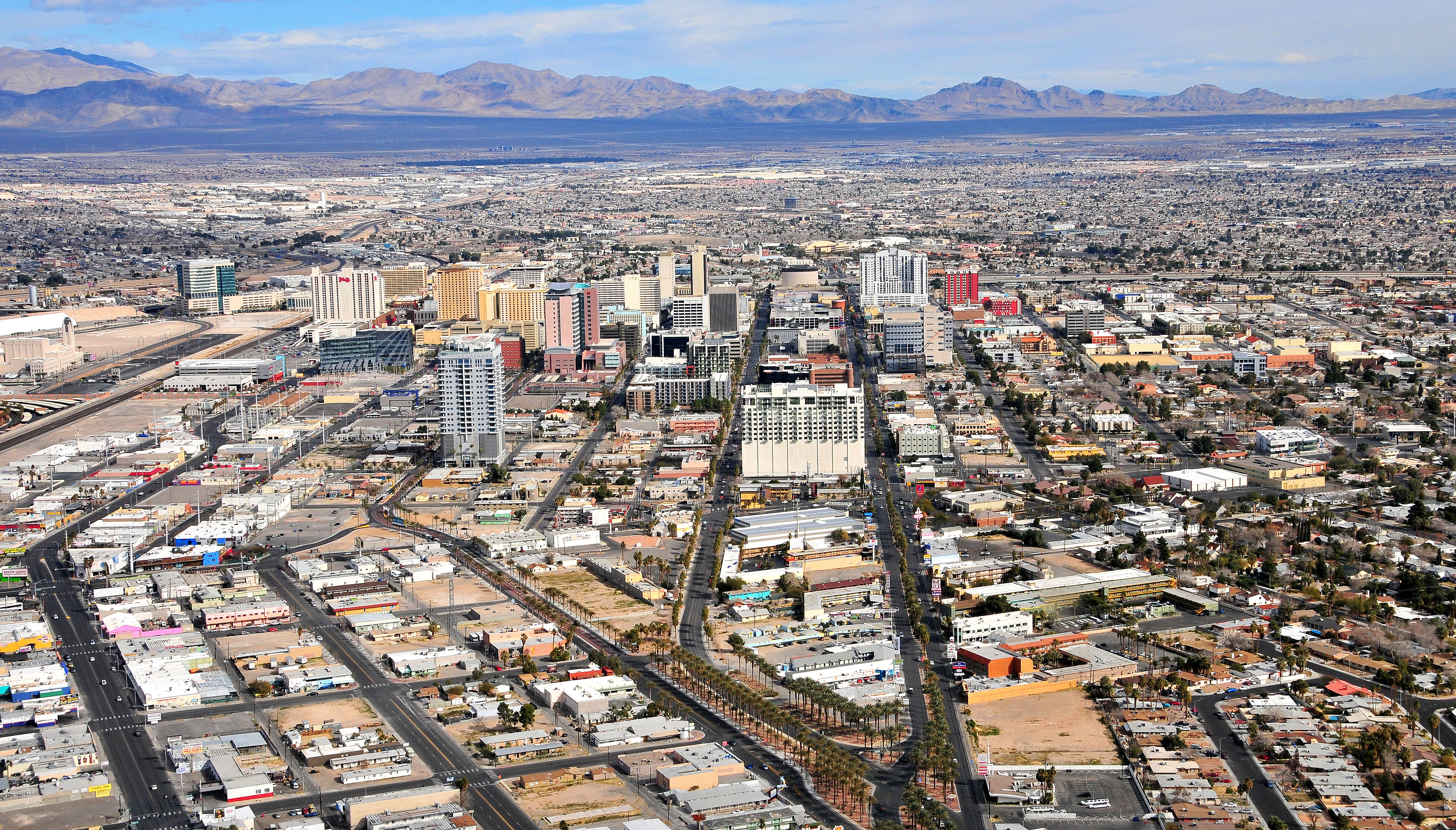
Downtown Las Vegas functions as a vital secondary hub within the expansive Las Vegas events market, offering exhibitors an alternative to the intensive activity concentrated at the Las Vegas Convention Center, Venetian Expo, and other primary venues along the convention corridor. This district supports targeted trade shows, industry mixers, and corporate showcases that benefit from its revitalized infrastructure and central positioning relative to both local business centers and outlying areas such as Summerlin, Henderson, and Enterprise.
Successful trade show display rental in Downtown Las Vegas depends on meticulous planning that accounts for spatial nuances, audience flow in compact urban blocks, and alignment with the broader service-area footprint that includes Winchester, Spring Valley, and the Arts District. As a dedicated planning and coordination resource, this planning guide delivers precise guidance drawn from established Las Vegas market patterns to help organizations prepare effective rental-based exhibits without assuming direct operational execution.
From initial concept development through post-event evaluation, the focus remains on strategic elements that elevate presence in this specific district while maintaining consistency with the high standards seen across Las Vegas convention facilities such as Mandalay Bay, Caesars Forum, and Fontainebleau Las Vegas.
Execution priorities
- District-specific spatial mapping and layout optimization
- Modular rental systems adaptable to urban venue constraints
- Audience demographic alignment with Downtown business sectors
- Smooth integration with Las Vegas-wide event calendars
- Technology and interactivity features for elevated engagement
- Timeline coordination across secondary market locations
- ROI measurement frameworks tailored to non-Strip environments
The Strategic Position of Downtown Las Vegas Within the Regional Events Ecosystem
Downtown Las Vegas occupies a distinctive place among the recommended locations that extend the Las Vegas market's reach beyond the primary convention corridor. While major demand drivers center on facilities such as the Las Vegas Convention Center and the Venetian Expo, Downtown provides opportunities for mid-scale events that connect with government, technology, and professional service audiences based in the urban core. This positioning allows exhibitors to access decision-makers who may not frequent Strip-based conventions, creating complementary reach within the same overall marketplace.
Effective planning recognizes that Downtown events often operate on different scales and schedules than those at the Convention Center District, Paradise, or Summerlin meeting areas. Coordination therefore emphasizes precise alignment with local calendars, traffic patterns between nearby districts like the Arts District and North Las Vegas, and logistical considerations that support efficient movement of rental assets from staging points across the wider service area that includes Henderson, Green Valley, and Centennial Hills.
Organizations benefit from treating Downtown Las Vegas as an integrated component of larger campaigns rather than an isolated activation. This approach leverages the district's revitalization momentum while maintaining operational consistency with best practices observed at high-volume venues such as Westgate Las Vegas, Virgin Hotels Las Vegas, and Green Valley Ranch Resort.
- Complementary audience access versus primary convention centers
- Integration with adjacent districts including Arts District and Summerlin
- Scalable activation frameworks for secondary market events
- Cross-reference with established Las Vegas demand drivers
Differentiating Exhibit Requirements Between Downtown and the Las Vegas Strip
Downtown Las Vegas presents spatial and atmospheric differences that require adjusted planning compared to the expansive environments of the Las Vegas Strip, Convention Center District, or Paradise venues. Where Strip events often accommodate massive foot traffic and large-scale island displays, Downtown settings typically favor modular, reconfigurable rental systems that maximize limited square footage while preserving clear circulation paths through city-block layouts.
Audience expectations also diverge. Attendees at Downtown functions frequently include local executives, municipal stakeholders, and specialized professionals whose engagement preferences lean toward intimate demonstrations and consultative interactions rather than broad spectacle. Planning therefore prioritizes rental displays with flexible configurations, integrated meeting zones, and high-resolution graphics that convey sophistication matching the district's evolving professional identity.
Logistical timelines must account for Downtown's distinct loading constraints and proximity to surface-street networks that connect to Enterprise, Winchester, and Spring Valley. These factors influence how far in advance rental assets should be reserved and coordinated relative to events at more centralized facilities like Mandalay Bay Convention Center or Caesars Forum.
By explicitly mapping these distinctions during the planning phase, exhibitors avoid misapplication of Strip-oriented tactics and instead develop Downtown-specific strategies that enhance relevance and impact.
Selecting and Specifying Trade Show Display Rentals for Downtown Environments
Rental selection for Downtown Las Vegas begins with detailed assessment of intended venue parameters, expected attendance density, and desired interaction levels. Modular backwall systems, island configurations with integrated storage, and counter-height displays often prove most effective in the district's varied indoor and adaptive outdoor spaces. These options allow rapid adaptation to last-minute adjustments common in urban event settings.
Visual and branding elements must be calibrated to the Downtown aesthetic, which blends historic architecture with contemporary redevelopment. High-resolution fabric graphics, illuminated components, and clean-line hardware communicate professionalism while ensuring rental units remain lightweight enough for efficient movement through city infrastructure. Coordination resources help map these specifications against the technical requirements observed across the wider Las Vegas market, including those documented at venues like Fontainebleau Las Vegas and Alexis Park Resort.
Technology integration represents another key decision point. Rental displays incorporating tablet mounts, video walls, or interactive touchpoints can significantly increase engagement when thoughtfully specified during the planning stage. The goal remains creating smooth experiences that feel native to Downtown rather than transplanted from larger convention floor environments.
- Modular backwalls and reconfigurable island units
- Counter and demonstration kiosks for consultative selling
- Illuminated and graphic-rich components for visual impact
- Technology mounts compatible with current AV standards
Timeline Coordination and Operational Best Practices
Successful Downtown Las Vegas trade show execution hinges on rigorous timeline management that begins months before show date. Planning encompasses rental confirmation windows, graphic production schedules, transportation sequencing between storage hubs and the event site, and precise load-in/load-out windows that respect Downtown's mixed-use surroundings. This structured approach prevents the cascading delays that can occur when events overlap with city activities or nearby district programming.
Coordination extends to aligning with broader Las Vegas event calendars that include major gatherings at the Venetian Expo, Westgate Las Vegas, and Hilton Lake Las Vegas. Understanding these overlaps helps exhibitors select optimal dates and avoid resource contention across the service-area footprint spanning Summerlin South, Boulder City, and Jean. Detailed checklists ensure every dependency receives attention well before setup begins.
Post-event processes receive equal emphasis in comprehensive planning. Timely dismantling, accurate inventory reconciliation, and prompt return of rental assets minimize additional charges and position organizations favorably for future activations in Downtown or adjacent markets such as Anthem, Inspirada, or the Henderson Lake Las Vegas corridor.
Maximizing Attendee Engagement and Measuring Exhibition Outcomes
Engagement strategies for Downtown Las Vegas must reflect the district's professional and community-oriented attendee base. Rental displays should incorporate dedicated consultation areas, product demonstration zones, and digital lead-capture tools that facilitate meaningful conversations rather than passive viewing. This consultative model aligns with the expectations of executives who attend events in the urban core versus the high-volume traffic found at Strip-central or South Las Vegas locations.
Measurement frameworks tailored to secondary districts track metrics beyond simple booth traffic. Lead quality, follow-up conversion rates, and brand sentiment shifts provide more relevant insights when exhibits operate in Downtown environments. Planning resources supply frameworks for capturing these data points consistently across multiple Las Vegas activations, whether in Enterprise, Sunrise Manor, or the Southwest Las Vegas corridor.
Iterative improvement based on collected outcomes allows organizations to refine their Downtown approach over time. What constitutes success in this district may differ from benchmarks established at the Las Vegas Convention Center or Mandalay Bay, requiring calibrated KPIs and reporting structures.
- Consultation pods and demo stations
- Digital interaction layers for lead capture
- Post-event survey mechanisms
- Comparative analytics across Las Vegas districts
Building Multi-District Campaigns Across the Las Vegas Market
Downtown Las Vegas gains maximum value when incorporated into coordinated multi-district campaigns that also activate the Las Vegas Strip, Convention Center District, Summerlin Meeting District, and Henderson locations. Rental assets can be designed with core components that travel between sites while incorporating district-specific graphic overlays or accessory pieces. This modular philosophy reduces overall expenditure while maintaining visual consistency.
Transportation planning becomes central when exhibits move between Downtown, the Arts District, North Las Vegas, and more distant points such as Primm or Lake Las Vegas. Coordination resources map efficient routing patterns and suggest scheduling buffers that accommodate Las Vegas traffic realities and venue-specific load restrictions. The result is a smooth regional presence rather than disconnected single-site activations.
Long-term market development benefits from this integrated perspective. Organizations that master Downtown execution often discover transferable lessons applicable to emerging areas like Centennial Hills, Whitney, or the East of Strip corridor. Over time, this builds institutional knowledge that strengthens competitive positioning throughout the entire Las Vegas service area.
Looking Ahead: Evolution of Downtown Las Vegas Trade Show Opportunities
The continued revitalization of Downtown Las Vegas suggests expanding possibilities for thoughtfully planned trade exhibitions in the years ahead. As infrastructure improvements and new mixed-use developments come online, the district is positioned to host more sophisticated events that complement rather than compete with primary convention activity at facilities like the Venetian Expo and Caesars Forum Conference Center.
Forward-looking planning incorporates flexibility to accommodate these changes. Rental selections should favor systems that can scale upward or reconfigure as venue options evolve. Coordination strategies must build in regular market reviews that reference activity at neighboring locations including Green Valley Ranch, Virgin Hotels Las Vegas, and the broader Summerlin cluster.
Organizations that establish strong planning protocols today will be best prepared to capitalize on Downtown's growth trajectory. By maintaining a resource-based approach focused on strategy, specification, and measurement, exhibitors create sustainable advantages across the full spectrum of Las Vegas locations from the core urban districts to outlying satellite communities.
- Scalable rental systems for future venue evolution
- Regular market intelligence reviews
- Cross-district knowledge transfer protocols
- Long-term relationship development frameworks
Frequently Asked Questions About Downtown Las Vegas Trade Show Planning
How does planning trade show displays for Downtown Las Vegas differ from the Las Vegas Strip or Convention Center District?
Downtown requires greater emphasis on compact modular rentals, consultative interaction zones, and alignment with local professional audiences. While Strip and Convention Center events often prioritize high-volume traffic and large-scale spectacle, Downtown planning focuses on precision layout within urban blocks, integration with city infrastructure, and differentiation from the primary convention corridor venues such as the Las Vegas Convention Center and Venetian Expo.
What types of rental displays work best in Downtown Las Vegas environments?
Modular backwall systems, reconfigurable island configurations with integrated storage, and technology-ready counters typically deliver optimal results. These solutions offer the flexibility needed to adapt to varying space dimensions while supporting both demonstration and meeting functions common to Downtown events. Planning should reference technical standards observed across the wider Las Vegas market including those at Mandalay Bay, Caesars Forum, and Fontainebleau Las Vegas.
When should organizations begin coordination for a Downtown Las Vegas trade show?
Comprehensive planning ideally starts four to six months in advance to allow proper rental specification, graphic production, timeline alignment with regional calendars, and contingency development. Earlier preparation becomes necessary when the activation forms part of a multi-district campaign spanning Summerlin, Henderson, Enterprise, or the Arts District.
Can the same rental assets be used for both Downtown and Strip events?
Yes, when core components are selected for modularity and supplemented with district-specific graphic packages or accessories. This approach maintains brand consistency while addressing the spatial and audience differences between Downtown, the Convention Center District, Paradise, Winchester, and Strip Central or South locations. Professional coordination ensures smooth transitions between venues.
How should success be measured for Downtown Las Vegas exhibitions?
Metrics should emphasize lead quality, engagement depth, and conversion potential with the district's professional audience rather than raw traffic counts alone. Frameworks that compare performance against activations in Summerlin, Green Valley, or North Las Vegas provide context. Post-event analysis should capture both quantitative data and qualitative insights to refine future Downtown strategies.
What role does Downtown Las Vegas play in a broader regional events strategy?
Downtown serves as a complementary activation point that reaches audiences less likely to attend primary convention corridor events. When integrated with campaigns covering the full service-area footprint—including Spring Valley, Anthem, Lake Las Vegas, and Boulder City—organizations achieve more comprehensive market coverage while leveraging rental efficiencies across multiple districts.